
Skip to content

Free written quotesLocal crews

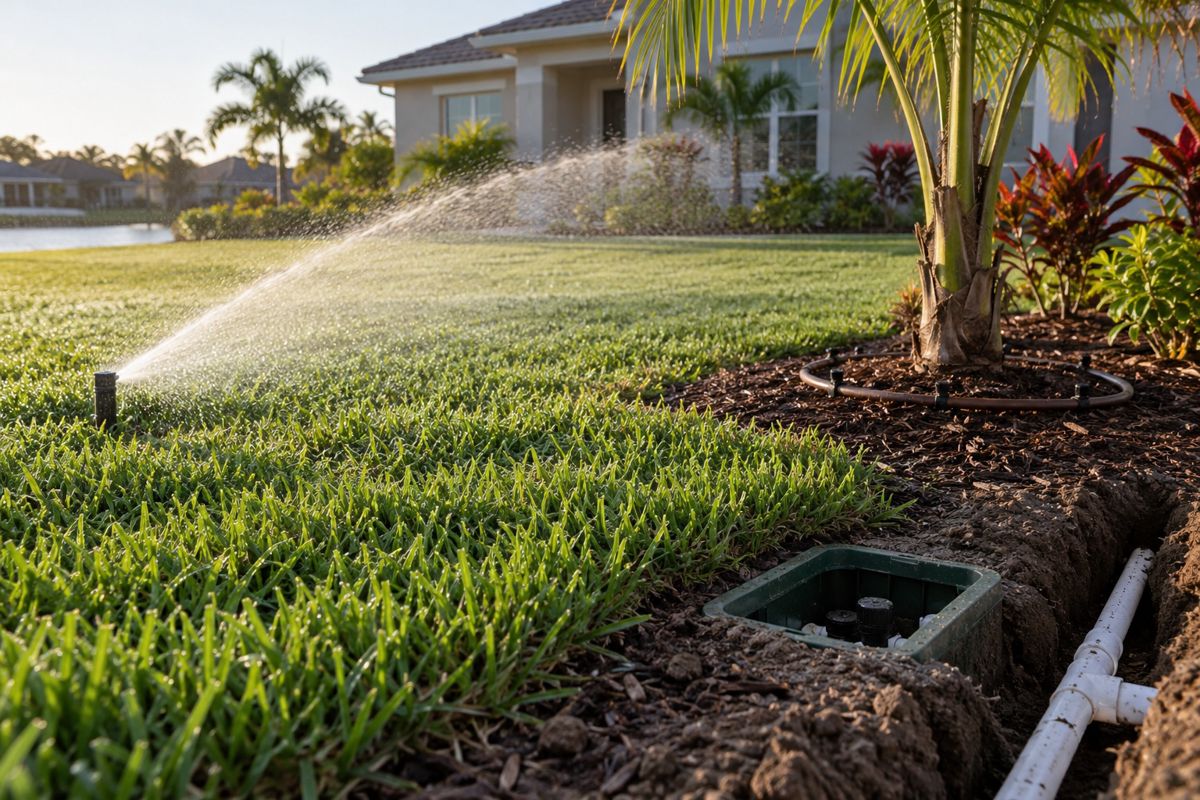
Sprinkler watering green lawn with a drip line around a young palm

Irrigation in Hialeah, FL

Sprinkler system installation in Hialeah for lawns, palms and beds

Zones that match what you grow, with a timer and rain sensor set up for local watering rules.

  • Separate zones for lawn, shrubs and fruit trees
  • Rain sensor and timer set to local rules
  • Scope and quote in writing

Step 1 of 3

What do you need?

What does sprinkler system installation in Hialeah involve?

Sprinkler system installation in Hialeah starts on paper. The yard is measured, the water source is noted, and the space is divided into zones. Each zone is a group of heads that run together and share the same needs. Then the crew trenches or pulls pipe, sets valves, installs heads, connects the controller and tests each zone for coverage.

A typical system includes:

  • A tie-in to your water supply with a backflow preventer where required
  • Valves and a timer or smart controller
  • Rotor or spray heads for lawn areas
  • Drip lines or bubblers for shrubs, palms and fruit trees
  • A rain sensor, which Florida rules generally require on automatic systems

Where the ground is already planted or paved, the crew works around it and repairs what it disturbs.

Why do I need separate zones for lawn, shrubs and trees?

Different plants want different water. Grass needs frequent, light watering, so spray or rotor heads cover the whole lawn. A mango, avocado or palm needs deeper, slower watering at its root zone, which drip lines and bubblers do well. Mixing them on one zone wastes water or drowns one plant and starves the other.

Sun matters as well. A west-facing bed dries faster than a shaded side yard, and a small lot can have both. Zoning by sun and plant type also keeps overspray off walls, fences, windows and the street. Spray that lands on pavement is water paid for and lost.

Our sod installation and landscape design plans mark the zones from the start, so a new lawn and new beds are watered correctly from the first day.

What are the water restrictions in Hialeah, and how does a system handle them?

South Florida has landscape watering rules set by the regional water management district and local utilities. In general they limit the days of the week and the hours of the day when you may water a lawn, and they can tighten during a drought. Rules can change, and they can differ between cities and between a city water supply and a private well, so check current rules before you set a schedule.

A well-built system makes this easier:

  • A controller with several programs lets you water lawns and shrubs on different days
  • A rain sensor stops a cycle after it rains
  • A smart controller adjusts run times using weather data
  • Drip lines use less water than spray on beds

New plantings often get a limited establishment period with extra allowance. Ask what applies to you. The timer can be set to match the current schedule when the system goes in, and you should be shown how to change it.

Price depends on the layout, not just the size of the lot. These factors matter:

  • Number of zones, which drives pipe, valves and labor
  • Lawn area versus beds and trees, because each needs different heads and drip parts
  • Water source and pressure, and whether a pump is needed for a well
  • Controller type, from a basic timer to a smart controller with weather sensing
  • Existing pipe, concrete and pavers the crew must cross
  • Repairs to an old system versus a full replacement

A low quote might skip rain sensors, backflow parts or proper head spacing, and those savings show up later as dry patches and high water bills. Ask for the zone count and the head types in writing. If you are redoing the lawn, it is cheaper to install sprinklers before the sod goes down than after. Hardscape work also needs lines in the right place first, so mention your paver plans early.

How long does it take, and when should I call?

A system on a small lot can often be installed in one to three days, depending on layout, ground conditions and the weather. Summer storms add delays. On the day, expect trenches, some temporary mess and a short water shutoff while the connection is made. The crew backfills, tests each zone and walks you through the timer.

Hurricane season brings its own concerns. Wind can break heads, and fallen limbs can crush pipe or tear up a valve box. After a storm, check for leaks and broken heads before you run the system again. Many owners switch off the controller before a named storm.

Call when part of the lawn is brown while another part floods, when the old system leaks or does not cover, or before you redo a yard. See the full list of work on the Hialeah Landscaping home page.

How it works

  1. Tell us about the yard

    Size, goals and any photos.

  2. Site visit and quote

    We walk the property and put the price in writing.

  3. We do the work

    Scheduled crew, cleanup included.

What you can expect

1

Free written quotes

2

Local crews

3

Reliable scheduling

4

Tidy job sites

Request irrigation systems

Tell us what you need and we call you back.

No obligation.

Step 1 of 3

What do you need?

Questions about landscaping in Hialeah

Do I need a rain sensor?

Florida rules generally require a working rain shutoff device on automatic irrigation systems, and it saves water and money in any case. A sensor pauses the system after rain, which matters a lot in a wet South Florida summer. Ask that one is included in the quote, and check that it stays working.

Can sprinklers be added to an existing lawn?

Yes. Pipe can be pulled with a machine or laid in narrow trenches, and the grass usually recovers in a few weeks with water. Some disturbance is normal. Installing before new sod or a new patio is easier and cheaper, so mention your plans early and the crew can lay lines in the right places.

Should fruit trees and palms use drip or spray?

Drip lines or bubblers are usually a better fit, because they put water at the root zone and keep leaves and trunks drier. Spray heads can wet the trunk, waste water and encourage fungus. A young tree needs frequent water at first, then deeper and less often. Give each tree its own zone or drip line.

How often should new sod be watered?

New sod needs to stay moist while it roots, so short, frequent cycles are normal at first, then less often as it settles in. Local rules may allow extra watering for new plantings for a limited period. Check the current rules for your address and adjust for rain and heat.

Why does my system leave dry spots?

Common causes are clogged nozzles, heads that tilt or sink, spacing that is too wide, low pressure, or plants that grew and now block the spray. Mowing and roots damage heads over time. A walk-through during a cycle usually shows the problem. Many dry spots can be fixed with new heads or a zone change.

Can I use well water or reclaimed water?

Sometimes. Wells can need a pump, a filter and a different design, and some water stains walls and pavers. Reclaimed water is not available in every area. Rules for each source differ, so check with your utility and the water management district, and tell the contractor which source you plan to use.

Ready when you are. Call now or request a quote online.